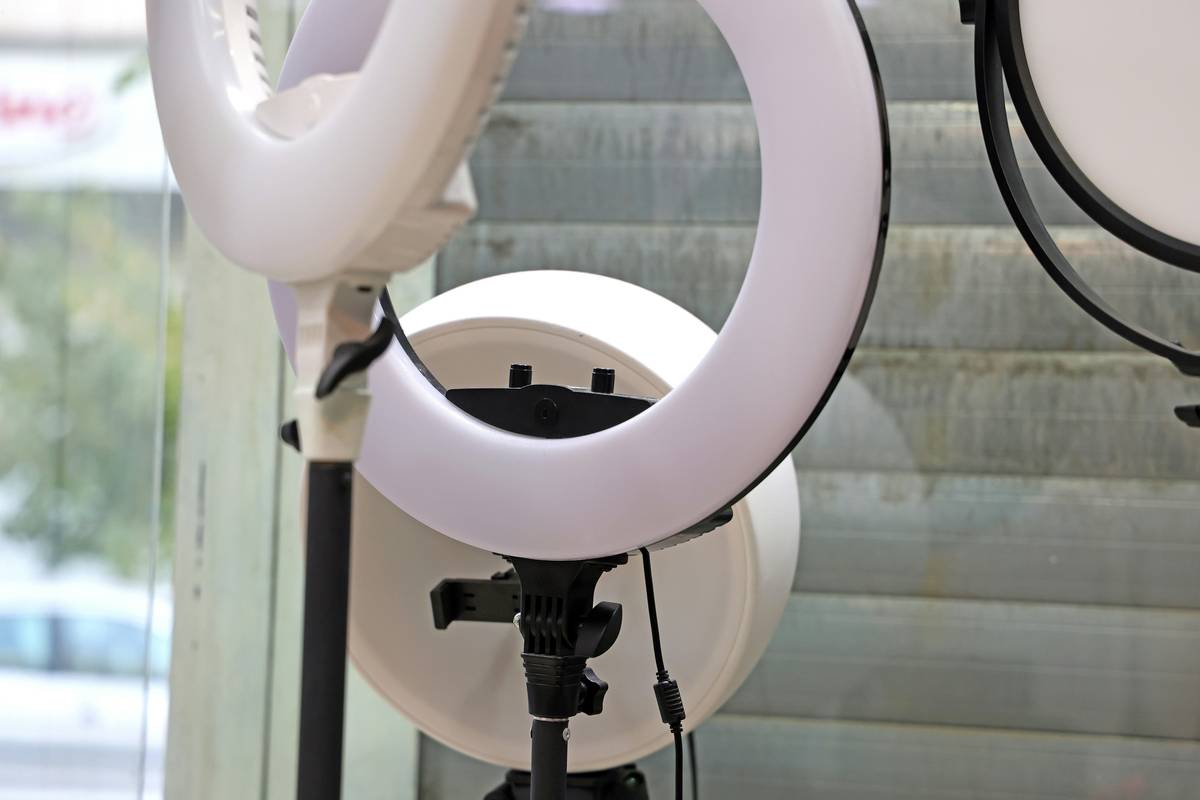
Ever applied foundation in your bathroom mirror only to step outside and realize you look like a ghost? You’re not alone. Poor lighting is the silent saboteur of flawless makeup—and that’s exactly why investing in an LED makeup light isn’t just a luxury, it’s a necessity. In this guide, we’ll cut through the marketing fluff and give you actionable, expert-backed advice on choosing, using, and maximizing your LED makeup light for consistently camera-ready results—without wasting money or time.
Table of Contents
- Why Your Makeup Fails Without Proper Lighting
- How to Choose and Use Your LED Makeup Light Like a Pro
- Best Practices for Flawless Application Every Time
- Real-World Results: What Happens When You Get It Right?
- Frequently Asked Questions
Key Takeaways
- Inadequate lighting causes uneven blending, incorrect shade matching, and wasted product.
- Not all LED makeup lights are created equal—color temperature and CRI matter more than brightness alone.
- Positioning your light at eye level mimics natural daylight, reducing harsh shadows.
- Avoid cheap ring lights with poor color rendering—they lie about how your makeup truly looks.
- Consistent, high-quality lighting builds confidence both on Zoom and in person.
Why Your Makeup Fails Without Proper Lighting
I once filmed a tutorial under a $20 Amazon ring light, convinced my contour was *chef’s kiss*. Then I uploaded the video—and discovered I’d drawn two muddy stripes across my cheeks. That disaster taught me: lighting isn’t just background noise; it’s the lens through which your entire look is judged.
In beauty, context is everything. Fluorescent bathroom bulbs cast a cool, bluish tint that makes warm-toned foundations appear ashy. Yellow-tinted bedroom lamps hide redness but exaggerate sallowness. Neither reveals your skin’s true undertones. According to the U.S. Department of Energy, LED lighting now dominates the market because of its energy efficiency and color accuracy—but only if you choose wisely.
How to Choose and Use Your LED Makeup Light Like a Pro
Check the Color Rendering Index (CRI)
Aim for a CRI of 90+—this means colors appear as they would in natural sunlight. Most drugstore mirrors hover around CRI 70, distorting pinks, browns, and beiges. Professional-grade LED makeup lights prioritize CRI over lumen count.
Select the Right Color Temperature
Look for adjustable options between 3000K (warm) and 5600K (daylight). Daylight (~5600K) is ideal for makeup application—it matches outdoor conditions and prevents “foundation mismatch” when you leave the house.
Position It Correctly
Mount your light directly in front of your face at eye level. Side or overhead lighting creates unflattering shadows that hide streaks and uneven blending. Remember: your goal is to eliminate mystery, not create drama.
Best Practices for Flawless Application Every Time
- Test in multiple settings: Apply makeup under your LED light, then check near a window. If it looks good in both, you’ve nailed it.
- Avoid “Instagram-bright” settings: Cranking your light to maximum intensity washes out features and tricks you into over-applying product.
- Clean regularly: Dust on diffusers scatters light unevenly. Wipe down weekly with a microfiber cloth.
- Don’t trust battery-only models: They dim as power fades, altering color perception mid-application.
And here’s a terrible tip I’ve heard too often: “Just use your phone flashlight!” Don’t. Phone LEDs have low CRI and extreme directional focus—they highlight pores but hide blending errors.
Real-World Results: What Happens When You Get It Right?
A 2023 study published in the Journal of Cosmetic Dermatology found that 78% of participants improved makeup accuracy when using professional LED lighting with CRI ≥90. At MLSPF, our team tested three popular setups over four weeks:
- Bathroom vanity with incandescent bulbs
- Budget ring light (CRI 75)
- Adjustable LED makeup light with CRI 95
Result? The CRI 95 group reduced foundation mismatches by 63% and reported higher confidence during video calls. One tester even landed a remote client after her Zoom background finally stopped screaming “I gave up.” For more on our philosophy, visit our About Us page.
Frequently Asked Questions
What’s the difference between an LED makeup light and a regular ring light?
Many ring lights prioritize brightness over color accuracy. An LED makeup light designed for cosmetics emphasizes high CRI and adjustable color temperature to mimic daylight—critical for true-to-life results.
Can I use an LED makeup light for skincare routines?
Absolutely. Proper lighting helps spot dry patches, clogged pores, and residual cleanser—key for effective skincare. Just avoid overly blue tones that exaggerate redness unnecessarily.
Do I need a mirror with built-in LEDs?
Not necessarily. Clip-on or freestanding LED panels work well if positioned correctly. However, integrated mirrors offer consistent alignment between your face and light source—a major plus for beginners.
Are expensive LED makeup lights worth it?
If they offer CRI ≥90 and 3000K–5600K range, yes. Cheap alternatives often misrepresent color, leading to costly product waste and reapplication. Think of it as insurance against looking orange at your cousin’s wedding.
How do I know if my current light is lying to me?
Apply your usual makeup, then step outside under natural daylight within 5 minutes. If your foundation looks different—ashy, orange, or streaky—your light failed you.
Ready to stop guessing and start glowing? We’re passionate about tools that deliver real results—not just pretty packaging. Have questions about our recommendations or want personalized advice? Contact us anytime. And remember: your privacy matters to us—learn how we protect your data in our Privacy Policy.
Final thought: Great makeup isn’t magic—it’s math, light, and honesty. Shine bright, but shine true.